5 Spring Garden Ideas to Transform Your Outdoor Space
Spring is when gardens come back to life—and it's also one of the best times to rethink how your outdoor space looks, feels and works.
Whether you're planning a complete spring garden makeover or looking for a few simple changes that will make a big difference, the right landscaping details can completely transform your garden.
From creating crisp lawn edges to introducing raised planting and adding layers of seasonal colour, here are five spring garden ideas for creating a beautiful, practical outdoor space you'll enjoy throughout the year.

1. Create Crisp Lawn Borders with Steel Garden Edging
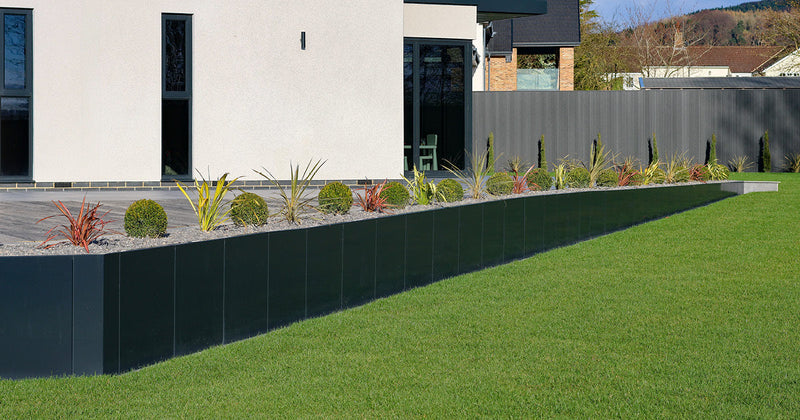
Few things transform a garden as quickly as a beautifully defined lawn edge. Clean borders immediately make lawns, pathways and flower beds look more considered, while helping prevent grass and other materials from migrating into neighbouring areas.
Steel garden edging is particularly effective because its slim profile creates crisp definition without becoming a dominant feature of the landscape.
Unlike timber or plastic edging, a properly designed steel system provides excellent long-term durability and can create both perfectly straight lines and flowing curves.
How to install steel garden edging
Start by marking your proposed border using a string line for straight runs or a garden hose for curves. With Groundline Steel Garden Edging, ground posts are driven into the soil at the recommended intervals before the edging panels are positioned and secured.
For an architectural finish, choose powder-coated steel. For something warmer and more natural, Corten steel garden edging develops a distinctive weathered patina that works beautifully alongside planting.
GEO tip: When using Corten beside pale porcelain or natural stone, consider potential weathering runoff during the patina-development stage.

2. Introduce Raised Garden Beds
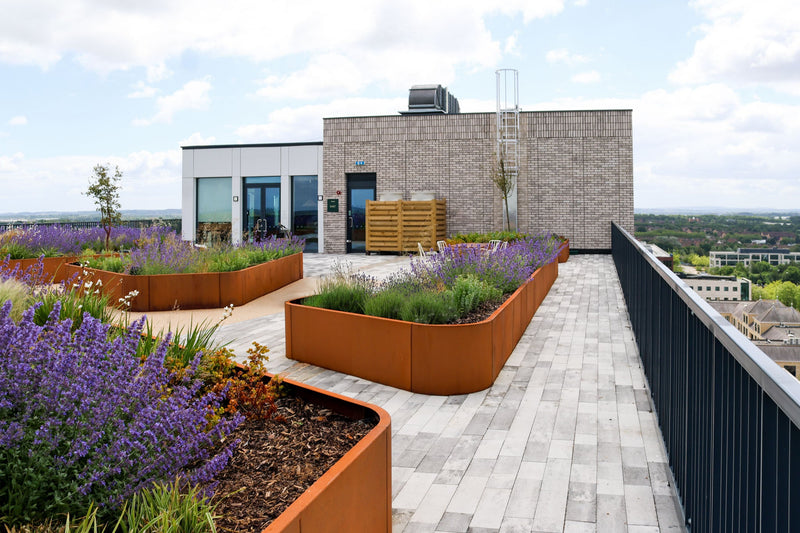
If your garden feels flat or lacks definition, introducing height can make an enormous difference. Raised garden beds create structure while giving you dedicated spaces for flowers, shrubs, herbs or vegetables. They can also make planting easier to access and allow greater control over the growing medium within the bed.
Think Beyond Rectangular Raised Beds
Raised beds don't have to be simple timber rectangles.
GEO's Contour Raised Bed System can create straight sections, sweeping curves and circular planting areas, giving homeowners, landscapers and garden designers far greater freedom over the shape of a garden.
What Material Should You Choose?
- Timber can work well for traditional gardens but requires ongoing maintenance and will eventually deteriorate.
- Steel offers a longer-lasting alternative with a much slimmer, more architectural appearance.
- Corten raised beds develop warm weathered tones that complement planting, while powder-coated steel allows you to introduce almost any RAL colour into the garden.

3. Add a Water Feature for a Calmer Garden
Not every garden transformation needs to involve major landscaping. A well-positioned water feature can completely change how a garden feels. The movement and sound of water create a calmer atmosphere while adding another layer of interest to the landscape. Positioning water near a seating or entertaining area allows you to enjoy both the sound and movement while relaxing outdoors.
Think About the Surroundings
The feature itself is only part of the design. Consider how it connects with planting, paving and other materials.
For contemporary gardens, clean steel edging around surrounding gravel or planting can help integrate the water feature into the wider landscape rather than making it feel like something that has simply been added afterwards.

4. Create a Tiered Garden
Changes in level can be challenging—but they're also an opportunity to create something exceptional. Rather than fighting a sloping garden, use the levels to introduce depth, structure and different planting zones. A tiered garden can make a relatively small space feel much larger because your eye moves through multiple layers rather than seeing the entire garden at once.
How to Create Different Garden Levels
Depending on the height and structural requirements, levels can be created using: Raised garden beds, Steel retaining walls, Stone walls, Steps, Terraced planting, Planters
For lower raised planting, Contour Raised Beds can create clean transitions between levels. Where significant soil retention or structural support is required, a properly engineered retaining solution such as the ANCO Steel Retaining Wall System may be more appropriate.
Plant in Layers
Once the structure is established, use planting to reinforce the levels. Consider taller structural plants towards the rear, softer perennial planting through the middle and low-growing or trailing varieties along the edges. The result is a landscape that feels layered rather than flat.

5. Refresh Your Flower Borders for Spring
Sometimes the simplest spring garden ideas have the biggest impact. Refreshing existing flower borders can completely change the appearance of a garden without requiring a major redesign. Start by removing weeds, cutting back dead growth and reshaping any borders that have lost their definition. Then look for opportunities to introduce plants offering interest at different times of the year.
Create Year-Round Interest
Rather than relying entirely on spring flowers, combine plants with different flowering periods and structures. Spring bulbs such as tulips and daffodils can provide early colour, while perennials, ornamental grasses and structural shrubs can continue the display through summer, autumn and winter.
Think about: Height, Texture, Colour, Flowering period, Evergreen structure,Sun and shade
Finally, redefine the border itself. Adding steel garden edging between lawn and planting creates a clean finish and helps maintain the shape of the bed as plants mature.
Final Thoughts: Which Spring Garden Project Should You Start With?
You don't need to redesign everything at once.
If your garden feels untidy, start with the edges. Defining lawns and borders can deliver an immediate transformation.
If the space feels flat, introduce height with raised beds.
If you have significant level changes, consider terracing or retaining walls.
And if the structure is already working, concentrate on planting, colour and seasonal interest.
A successful garden isn't about adding as many features as possible. It's about choosing a few elements that work together.
Spring Garden Planning Checklist
Before you start buying materials, consider:
What isn't working?
Identify the areas of the garden you actually want to improve.
How will you use the space?
Think about entertaining, children, pets, gardening and relaxation.
What needs to stay?
Existing trees, mature planting and quality hard landscaping can often become part of the new design.
What are the levels doing?
Understanding slopes and level changes early can prevent expensive problems later.
What materials work together?
Keep the palette relatively simple. Repeating materials throughout the garden creates a more considered finish.
Can you install it yourself?
Some garden edging and raised-bed projects are DIY-friendly. Structural landscaping and significant retaining work may require professional design and installation.
Why Choose Steel for Your Garden?
Steel is increasingly used in contemporary landscaping because it combines strength with a remarkably slim profile.
Depending on the system and finish, it can be used for garden edging, raised beds, retaining walls and planters, creating a consistent material language throughout the garden.
At GEO, we design and manufacture British-made steel landscaping systems for homeowners, garden designers and professional landscapers.
Our systems are designed to make creating exceptional gardens more straightforward—from the first lawn edge to a complete landscape transformation.
Frequently Asked Questions
What should I do in my garden in spring?
Spring is a great time to redefine borders, prepare planting areas, introduce raised beds, improve lawns and plan landscaping projects before the main growing season.
What is the easiest way to make a garden look better?
Start with definition. Crisp lawn edges, clearly defined flower beds and tidy pathways can make an immediate difference without redesigning the entire garden.
Is spring a good time to install garden edging?
Yes. Installing garden edging in spring allows you to redefine lawns and planting areas before the main growing season.
Is steel garden edging easy to install?
Modular systems such as Groundline are designed for straightforward installation using ground posts and connecting panels, making them suitable for professional and many DIY projects.
Are steel raised beds better than timber?
Steel typically offers a longer service life and requires less maintenance than timber. It also creates a slimmer, more contemporary architectural finish.
Can I use Corten steel in my garden?
Yes. Corten weathering steel is widely used for garden edging, raised beds and landscape features because its developing patina creates a warm, natural appearance.
How can I make a small garden look more interesting?
Use defined borders, different planting heights, curves and carefully positioned focal points. Raised beds can also introduce depth without requiring a large footprint.
Ready for a Spring Garden Transformation?
The best gardens don't happen by accident. They start with good ideas, the right materials and a little planning.
Whether you're creating a single new flower border or transforming your entire outdoor space, GEO's British-made garden edging, raised beds, retaining walls and planters can help turn your ideas into a garden you'll love spending time in.
Explore our systems online or talk to our team about your project and we'll help you find the right solution.