Low-Maintenance Garden Ideas: 7 Ways to Spend Less Time Maintaining Your Garden
A beautiful garden shouldn't have to become a second job.
One of the strongest movements in garden design is towards outdoor spaces that look considered but require less ongoing work.
The key isn't eliminating maintenance completely. It's designing out unnecessary maintenance from the beginning.
Here are seven ways to do it.
1. Install Proper Lawn Edging
One of the simplest improvements is also one of the most overlooked.
Without edging, grass gradually grows into borders and gravel, leaving you repeatedly cutting the lawn edge back into shape.
A permanent steel garden edge creates a physical separation.
Install it once and the basic shape of your lawn is established.
Our Groundline steel garden edging can form straight lines or flowing curves while creating a crisp divide between different landscaping materials.

2. Reduce Unnecessary Lawn
Lawns are beautiful, but they require regular cutting, edging, feeding and watering.
Instead of covering the entire garden with grass, consider reducing the lawn to one clearly defined area.
The remaining space can become:
- Gravel gardens
- Planting beds
- Wildflower areas
- Patios
- Paths
- Raised beds
You'll often end up with a more interesting garden as well as a lower-maintenance one.

3. Invest in Materials That Last
Cheap landscaping isn't always cheap.
A material that needs replacing every few years can eventually cost considerably more than something installed once.
Take raised beds.
Timber is attractive and relatively inexpensive, but prolonged contact with damp soil eventually takes its toll.
Steel doesn't suffer from timber rot.
Corten steel is particularly interesting because its weathered surface is part of the material's intended appearance.
Instead of fighting ageing, the design embraces it.

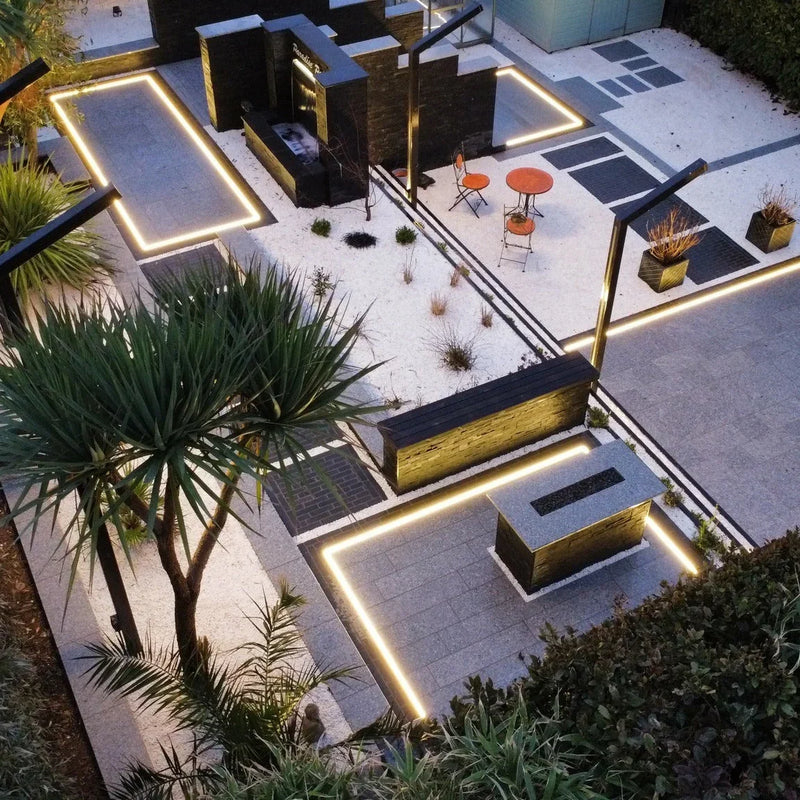
4. Control Gravel
Gravel is often marketed as low maintenance.
It can be – if it stays where you put it.
Without a defined boundary, gravel gradually migrates into lawns and flower beds while soil moves in the opposite direction.
Installing edging between different surfaces helps keep them separated.
It sounds like a minor detail, but over several years it can make a considerable difference to maintenance.

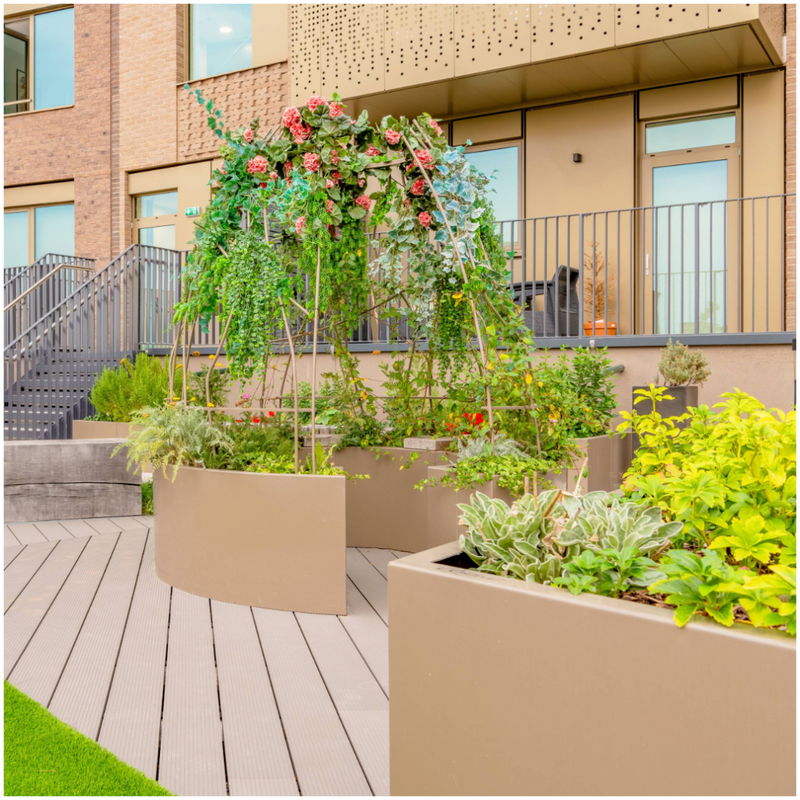
5. Use Large Planters
Lots of small pots can look fantastic.
They can also require lots of watering, repositioning and maintenance.
An alternative is to use fewer, larger statement planters.
Large steel planters provide room for substantial planting schemes and can create permanent focal points within patios and courtyards.
They can also be used for screening and zoning.
Instead of ten small pots competing for attention, one beautifully planted steel container can become an architectural feature.

6. Choose Plants for the Location
A low-maintenance garden isn't created by simply choosing plants labelled "easy".
Plants become easier to maintain when they're placed in conditions they actually like.
Consider:
- Soil type
- Sun exposure
- Drainage
- Wind
- Available space
- Local rainfall
The RHS expects climate resilience to remain one of the key considerations shaping UK gardening in 2026, with gardeners increasingly choosing diverse planting capable of coping with changing conditions.
Right plant, right place is becoming even more important.

7. Get the Structure Right First
This may be the most important point.
Planting changes.
Furniture changes.
Garden trends change.
The underlying structure tends to remain.
Paths, retaining walls, lawn edges and raised beds determine how the garden works.
Investing more of your budget into these permanent elements can therefore make sense.
It's one of the reasons we believe good steel edging should be viewed as garden infrastructure rather than decoration.

Is Premium Garden Edging Worth It?
If you're comparing steel edging with cheaper plastic, timber or basic mild-steel alternatives, don't only compare the purchase price.
Ask:
How long will it last?
How much maintenance will it require?
Will it remain straight?
Can damaged sections be replaced?
Will I still like it in ten years?
A product that performs for years can provide better value than something that simply costs less today.
Ready to Reduce Your Garden Maintenance?
Spend your weekends enjoying your garden rather than constantly repairing its edges.
Explore GEO's range of British-made Groundline garden edging, Contour raised beds, Anco retaining walls and Contain steel planters and create a garden designed for long-term performance.
Explore the GEO range today →